
RB2B AI: ASK US ANYTHING
Lead routing best practices go beyond assigning leads to reps. The goal is to route the right leads with the right priority. Score on ICP fit and real-time intent, then act fast. High-intent buyers reach a rep first, and conversion rates climb.
Your hottest lead just visited your pricing page twice. But it sits in a queue behind a cold ebook download. By the time a rep follows up, the buyer has moved on. Static rules and slow follow-up quietly bleed the pipeline. Smarter lead routing fixes this with fit, intent, and speed.
Instead of treating every lead with the same urgency, modern routing combines ICP fit and real-time intent to prioritize the leads most ready to buy. It assigns the right owner and triggers a fast handoff while interest is high.
In this article, we’ll share 7 lead routing best practices to help you prioritize high-intent leads, and automate speed-to-lead. We’ll also tell you how to avoid common routing mistakes, and turn buyer intent into faster sales action.
Lead routing is how you send each new lead to the right owner. Most teams stop there. But assignment is only half the job.
The other half is priority. Not every lead deserves the same urgency. A pricing-page visitor should not wait behind a newsletter signup.
The cost of bad priority is hidden but real. Your best leads wait while weak ones get worked. Deals slip, and no one notices why.
Modern routing does two things at once. It picks the right rep, and it sets the right priority. Speed and fit decide who gets worked first. Learn to spot high-intent leads early, and routing gets much easier.
Priority is what separates good teams from great ones. Great teams work the best leads first, every time. That focus is a real competitive edge.
Speed-to-lead strongly predicts conversion. Reach a buyer in minutes, and your odds soar. Wait a day, and the lead often goes cold.
Static firmographics tell you who a lead is. They do not tell you when a lead is ready. A perfect-fit account is worthless if the timing is wrong.
Buyer intent fills that gap. Real-time behavior shows you who is active now. A repeat pricing visit beats a nice job title. That signal should push a lead up the queue.
Intent also decays fast in B2B. A signal today is far weaker next week. So your routing must move at the speed of intent.
The problem is timing. Most high-intent visitors never fill out a form. So they never enter your routing workflow. You cannot route a lead you cannot see. That is where intent data changes the game.
Reps also work harder on hot, timely leads. A relevant lead feels worth the call. That extra energy shows up in your win rates.
The best practices below build on each other. Together they route the right lead to the right rep, fast. Start with fit, layer in intent, then automate the handoff:
Start every routing decision with fit. A lead that matches your ICP deserves priority. A poor fit can wait or get nurtured instead.
Use clear firmographic filters to sort inbound leads:
Route strong-fit leads straight to sales. Send weak-fit leads to nurture or self-serve. This first filter protects your reps' time.
Picture two inbound demo requests. One is a target-market VP, the other a student. Both asked for a demo, but only one deserves a fast call. Fit tells you which.
Build your filters from your ideal customer profile. Keep them updated as your market shifts. Stale filters route the wrong leads.
Do not throw away weak-fit leads, though. A low-tier lead may still convert later. Nurture it until the fit or timing improves. Then route it up when it heats up. Fit is a filter, not a final verdict.
Best practice: qualify on fit before you assign a single lead.
Fit tells you who matters. Intent tells you who is ready now. The best routing weighs both.
Watch for high-value behavior on your site:
These signals should instantly raise a lead's priority. A hot signal from a good-fit account is your top tier. Route it to a rep within minutes, not hours.
This is also where priority tiers come in. Combine fit and intent into a simple score. Tier one is high fit and high intent. Tier three is low on both. Your tiers set the routing order.
Behavioral routing beats static rules every time. It sends the right lead up the queue at the right moment. Use intent data to drive these decisions.
Speed matters most for your top tier. A hot lead ignored for an hour cools fast. Treat tier-one signals as drop-everything moments. Your fastest rep should own them. Every minute of delay lowers your odds.
Best practice: let real-time intent set routing priority, not just fit.
Reps perform best in a clear lane. Territory routing keeps ownership simple and fair. It also builds real expertise over time.
Route leads by the dimensions that fit your team:
Match each lead to the rep who knows that space. A mid-market rep should not chase enterprise deals. Clear lanes reduce confusion and dropped leads.
Keep your territory rules simple and documented. Complex rules break and cause disputes. When in doubt, favor clarity over cleverness.
Add a fallback owner to every territory. Reps take vacations and leave gaps. A backup keeps leads from stalling. Never let a lead sit ownerless. A waiting lead is a leaking lead.
Best practice: give every lead one clear, logical owner.
Some accounts already belong to a rep. Routing must respect that ownership. Nothing frustrates a team like poached accounts.
Check ownership before you route any lead:
This matters most for target accounts and ABM. A new contact from a named account is not a new lead. It is another signal for the account owner.
Tie routing to your ABM software and account map. That keeps buying-committee members with one owner. It also prevents two reps from working the same deal.
Shared visibility prevents ownership fights. Everyone should see who owns each account. Clear records settle disputes before they start. Sync this data across your tools. One source of truth keeps peace.
Best practice: route by account, not just by individual lead.
Not all lead sources carry the same intent. A demo request is miles ahead of an ebook download. Your routing should reflect that gap.
Rank your sources by how much intent they show:
Route high-intent sources to sales fast. Send low-intent sources into nurture first. The source is a strong clue about readiness.
Be careful not to judge by source alone. A newsletter reader who visits pricing is now hot. Let behavior override a low-intent source when it should.
Tag every lead with its source automatically. Manual tagging is slow and error-prone. Clean source data powers smarter routing. Audit your tags now and then. Bad data leads to bad routing.
Best practice: let the lead source shape both owner and urgency.
Where a lead sits in its journey matters. A brand-new lead needs different handling than a returning one. Lifecycle stage should shape your routing.
Treat these stages differently:
A returning prospect is not a fresh cold lead. Their history should lift their priority. Route them to someone who knows the context.
Re-engaged leads are easy to miss. A quiet contact suddenly active is a strong signal. Flag that return and route it with urgency.
Route existing customers away from new-business reps. An upsell is not a fresh cold lead. Send it to the account team instead. The right context speeds the deal. Wrong routing here annoys loyal customers.
Best practice: use the lifecycle stage to set both owner and priority.
Speed is the whole point of good routing. Manual assignment is too slow for hot leads. Automation closes the gap.
Automate the routing path from end to end:
Set a clear speed-to-lead target for your team. Minutes, not hours, should be the goal. Then measure it and hold the line.
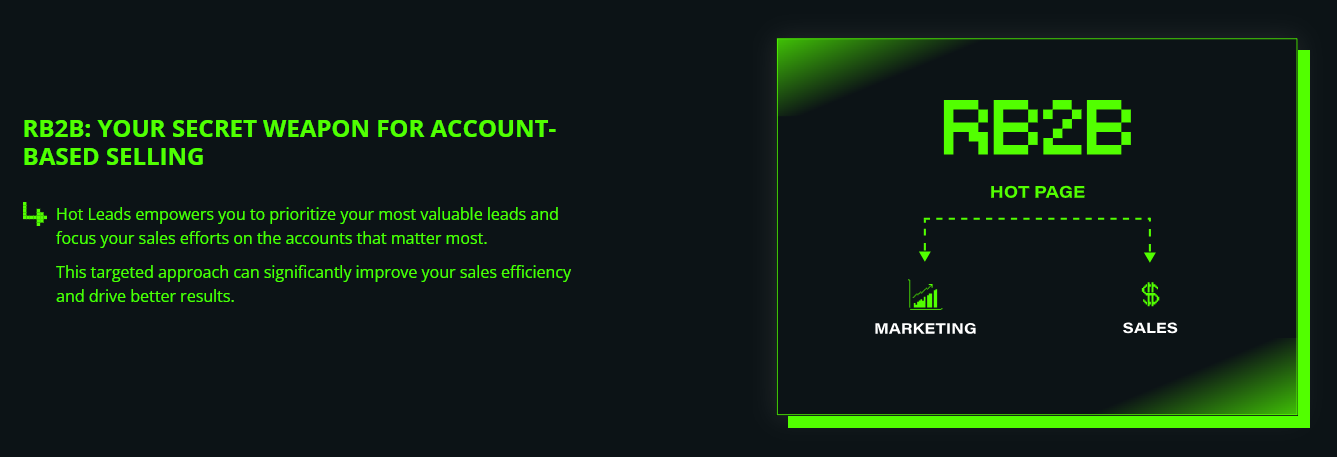
RB2B's Hot Leads can automatically route high-intent visitors. Your reps get an alert while the buyer is still on-site. That is speed-to-lead at its best.
Test your automation before you trust it. A broken rule can silently drop leads. Check the full path from signal to alert. Then monitor it every week. Automation still needs a watchful owner.
Best practice: make instant, automated routing your default.
Rules only work if people follow them. A service-level agreement makes routing accountable. It sets clear expectations for every team.
Define your SLAs in plain terms:
Match the SLA to the lead's priority. A tier-one lead might need a five-minute response, whereas a low-intent lead can wait a day.
Write the SLA down and share it widely. An unwritten rule is a broken rule. Review it as your team and market change.
Automate the escalation when an SLA is missed. Reassign the lead before it goes cold. No hot lead should wait on one busy rep.
Hold both sides accountable. Marketing routes quality leads on time, sales work them within the window, and trust grows when both keep the deal.
Even good teams make routing mistakes. A few habits quietly cost you pipeline. So, watch for these traps:
Each mistake sends the wrong lead to the front. Or it leaves a hot lead waiting too long. Both cost you real deals.
The fix is the same every time. Add fit and intent to your routing logic. Then automate the handoff to keep speed high. Combine lead scoring with real-time signals to get this right.
Audit your routing against this list monthly. One broken rule can leak dozens of leads. Catching it early protects your pipeline.
Most routing tools work only with leads they can see. But most buyers never fill out a form. So your best prospects never enter the workflow. RB2B fixes that gap.
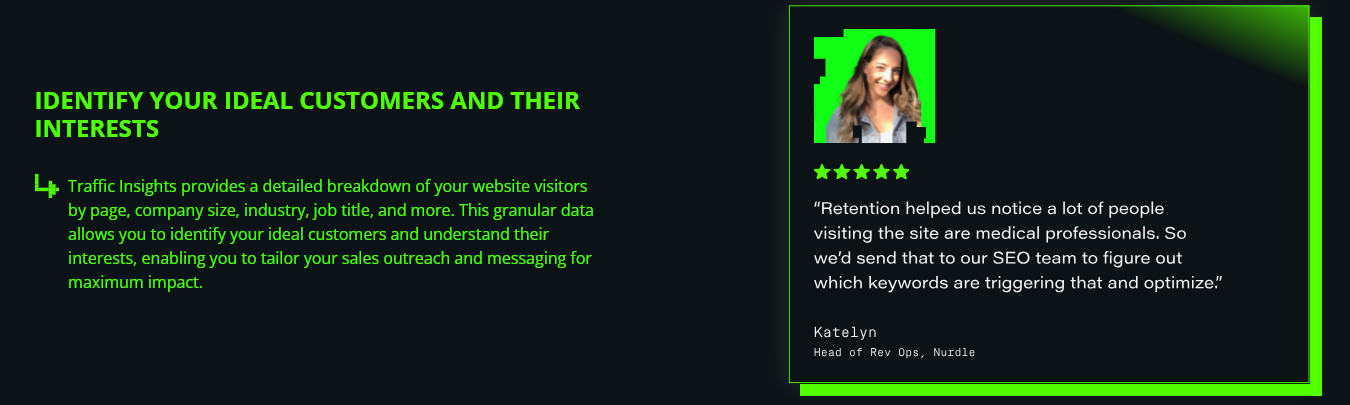
RB2B is an intelligence layer, not another routing tool. It identifies the anonymous visitors on your site. You get names, roles, companies, and LinkedIn profiles. Suddenly, hidden intent becomes a routable lead.
This closes the biggest gap in most funnels. You stop losing buyers who never fill out a form. Every identified visitor becomes a routing opportunity.
It works before leads hit your routing rules. RB2B surfaces the signal, enriches the contact, and flags the fit. Your CRM and routing tools then assign the right lead first. See how to identify anonymous website visitors in real time.
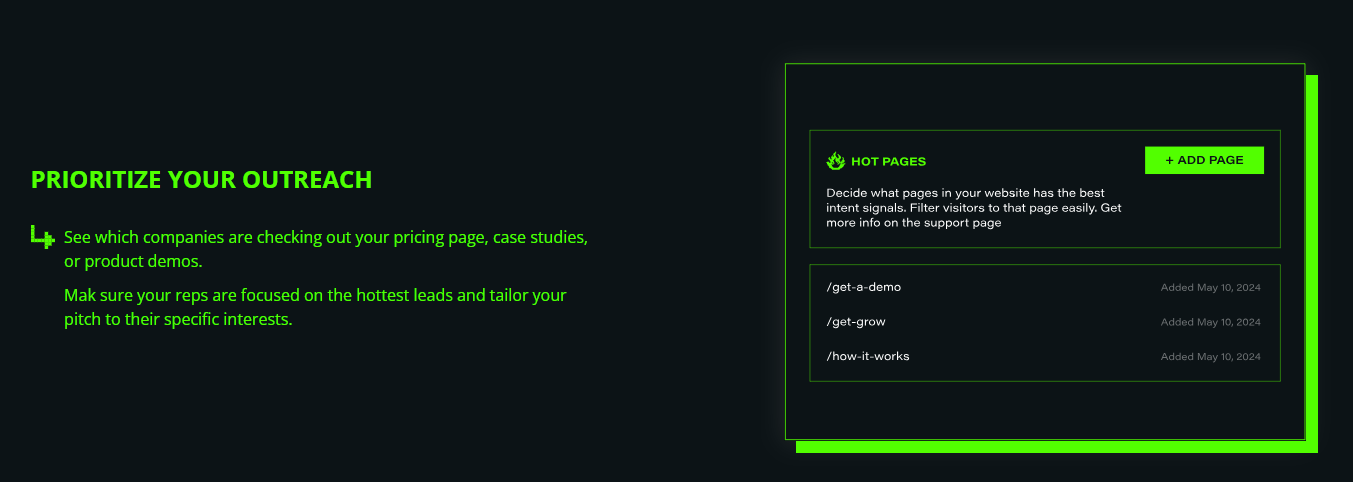
It also feeds your priority tiers. A hot-page visit from an ICP account jumps the queue. RB2B's Hot Pages surface visits to your most important pages. You route only the best-fit, highest-intent visitors to sales.
RB2B does not replace your CRM or routing platform. It makes them smarter, with better inputs. Better data in means better routing out.
Enrichment also saves your reps real time. They skip the research and start the conversation. Every minute saved is a faster follow-up.
Automation makes routing fast. But speed without judgment can misfire. The best teams blend firm rules with human review.
Let automation handle the obvious cases:
Flag the edge cases for a human. A borderline-fit account may need a second look, while a large deal deserves a careful assignment.
Give reps a simple way to reroute. Sometimes they know the context but miss the rules. Trust them, but keep the override visible.
Revisit your rules as your team learns. Every misroute is a lesson to encode. Your system should get smarter over time.
Automation and judgment are partners, not rivals. Let machines route the clear cases fast. Let people handle the tricky ones well.
Put it all together in one flow. Here is a simple, repeatable routing workflow:
Each step feeds the next without manual work. The signal starts it, and speed finishes it. High-intent leads reach the right rep first. You can send these visitors straight to your CRM to trigger routing.
This flow scales as your volume grows. The rules stay the same, even at high traffic. Consistency is what makes routing reliable.
You can adapt this flow to your own stack. Swap tools, but keep the sequence intact. Signal, identify, score, route, and act fast.
Good routing is not set-and-forget. You must measure it and tune it often. Track a few numbers that reveal the truth.
Watch these routing metrics closely:
Speed-to-lead is your headline metric. If it slips, hot leads are going cold. Set an alert when response times rise.
Benchmark your speed against your own history. Improvement matters more than any industry average. Aim to beat last quarter, every quarter.
Compare conversion across your tiers. Tier one should far outperform the rest. If it does not, your scoring needs work.
Watch for leads that slip through the cracks. Any lead with no owner is a lost deal. Build a report to catch them weekly.
Review these numbers with sales and RevOps monthly. Fix the leaks, then tighten the rules. Small routing gains compound into real pipeline.
Great lead routing is not just about assignment. It is about priority, speed, and real buyer intent. Send the right lead to the right rep, fast.
Static rules alone cannot do this. You need to see intent as it happens. Then route your hottest leads to the front of the line.
Start by making your intent visible. Identify the buyers already on your site. Score them, prioritize them, and route them fast.
The teams that route on intent win more deals. They reach buyers first, while attention is close. That speed compounds into a real pipeline edge.
Ready to route smarter? Start with RB2B for free and turn anonymous visitors into prioritized, sales-ready leads.
Faster is almost always better. Many teams aim to respond within five minutes. Beyond an hour, your conversion odds drop sharply. For high-intent leads, minutes matter most.
Round-robin is simple but blind to fit and timing. Intent-based routing sends hot leads to the front. The best teams blend both. Use round-robin within a tier, not across all leads.
First, you have to identify it. Visitor identification reveals the people behind anonymous visits. Then you can score and route them like any lead. Without identification, that traffic stays unroutable.
RevOps usually owns the routing rules and system. Sales leadership sets the priorities and SLAs. Keep the logic documented and reviewed often. Clear ownership prevents disputes and dropped leads.
Alert your reps, start automated outreach, and add to lead score in under five minutes.

