
RB2B AI: ASK US ANYTHING
High-intent B2B leads need follow-ups tied to their behavior, not a fixed cadence. This library gives you seven sales follow-up email templates for real buying signals. Each one maps to an action like a pricing visit or repeat session. Match the message to the moment, and replies climb.
You spot a hot lead, send a follow-up, and hear nothing back. The buyer was clearly interested, so the silence stings. But most sales follow-up emails fire on a fixed schedule. They ignore what the buyer actually did, so warm leads go cold.
The fix is simple. Tie outreach to real buying signals. Use website behavior like pricing visits, repeat sessions, or demo-page views to trigger relevant follow-ups while interest is fresh. In this article, you’ll get 7 sales follow-up email templates tied to high-intent signals, and tips for personalization, automation, timing, and turning buyer intent into replies and meetings.
Most follow-ups fire on a schedule, not a signal. Day-three and day-five emails ignore what the buyer actually did. So they read as generic, and buyers tune them out.
High-intent leads behave differently. They visit pricing, compare options, and return often. Those actions reveal real interest and timing. A follow-up tied to that behavior feels relevant.
The hard part is seeing the signals. Most visitors never fill out a form. So their intent stays invisible to your team. Visitor identification turns that hidden behavior into a clear list. RB2B's Hot Pages show who views your key pages. You learn who is in-market and when.
Once you can see intent, timing gets easy. You reach out while interest is fresh. The templates below turn each signal into a message.
Reply rates reward relevance above all. A message that mirrors real behavior earns attention. A generic sequence earns the trash folder.
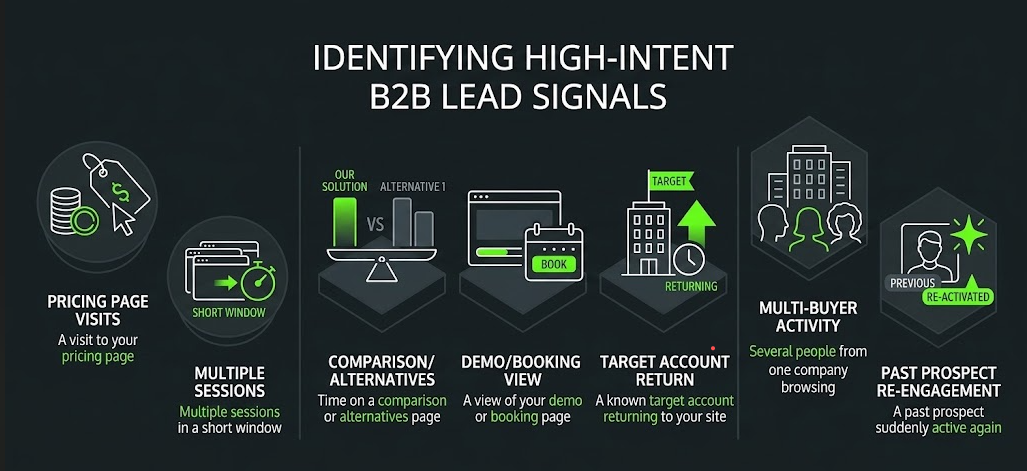
Not every visit means a lead is ready. Intent lives in specific, high-value actions:
Each signal points to a different mindset. A pricing view suggests budget talk. A comparison read suggests active shortlisting, while a committee surge suggests a funded project.
The trick is catching these signals in real time. Most visitors stay anonymous, so intent hides. Identification turns that hidden behavior into a clear list. Then each signal becomes a reason to reach out.
Weak signals deserve a lighter touch. A single blog view is not a buying signal. Save your best outreach for the strongest actions.
These templates work best with live intent data. That data comes from your own website traffic. The problem is that most of it stays anonymous.
Visitor identification changes that. A light pixel reveals the people behind your traffic. You get names, roles, LinkedIn profiles, and companies. Anonymous intent becomes a named, workable list.
Real-time signals make timing possible. You see a pricing visit as it happens, and spot a target account the moment it returns. Then you send the right template within hours.
This is where RB2B fits your workflow. It is not another email tool, but the source of the signals your emails need. Feed these templates with live intent, and every send sharpens.
Better data also means better personalization. You reference real behavior, not guesses. That relevance is what lifts your reply rates.
Start with the signal, then choose the template. The signal tells you who, when, and why. The template simply supplies the words.
Without live intent, follow-ups become guesswork. You email at random and hope the timing works out. With it, you reach the right person at the right moment.
Each template maps to a specific buying signal. Match the message to what the buyer did. Then swap the brackets for real details.
Keep four rules in mind for every send:
Speed matters most of all. Send within hours, while intent is hot. A fast, relevant note beats a polished one sent late. Use these as starting points, then make them yours.
One warning before you start. Never fake a signal you did not see. Buyers can tell, and trust is hard to rebuild.
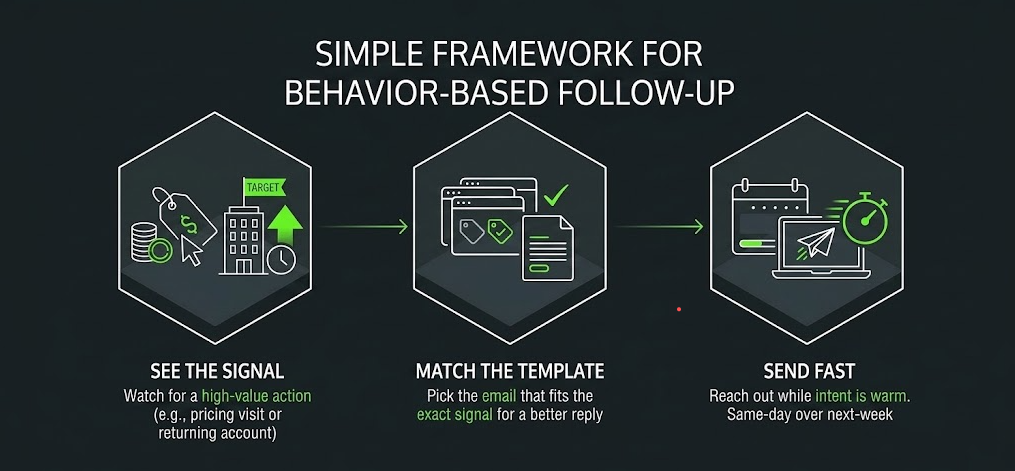
Every template below follows the same simple logic. You can apply it to any signal you spot. Remember three steps.
This framework keeps your outreach honest and timely. You never send a random, scheduled blast. You respond to what the buyer actually did. Over time, this rhythm becomes second nature.
You can even automate the first two steps. Route each signal to its matching template. Then let a human add the final personal touch.
Here we’ve shared 7 sales follow-up email templates for high-intent leads:
The signal: They landed on your pricing page. That is one of the strongest buying signals there is. Price-checking means budget and intent are in play.
When to send: Within a few hours, same day if possible. Pricing interest cools fast, so speed wins.
Personalize it: Reference their likely plan or use case, not the visit itself. Tie your message to the outcome they want. A relevant detail beats a generic hello.
Why it works: You arrive at the moment of decision. You offer clarity on price, which they clearly want. The timing shows you understand where they are. To spot these buyers, learn to identify high-intent leads on your site.
Pro tip: Link straight to the plan they viewed. One less click means a faster yes.
The signal: They visited several times in a short window. One visit is curiosity, but many is intent. Rising frequency signals growing interest.
When to send: After the second or third visit. The pattern matters more than a single click.
Personalize it: Mention the topic or pages drawing them back. Focus on the problem behind the repeat visits. Keep the tone observant, not intrusive.
Why it works: Repeat visits show real consideration. Your note feels observant, not random. It turns quiet interest into a conversation. Good website visitor tracking makes this pattern easy to see.
Pro tip: Name the exact page they keep returning to. Specifics prove you are paying attention.
The signal: They read your comparison or alternatives page. That means they’re actively evaluating other options. They are building a shortlist.
When to send: Same day, while they are still comparing. Waiting risks losing them to a rival.
Personalize it: Address their evaluation head-on. Offer clarity, not a hard sell against rivals. Honesty stands out in a crowded field.
Why it works: You enter at the shortlist stage. Honesty builds instant trust. Then, you guide the decision instead of chasing it. These readers are often anonymous website visitors you can now reach.
Pro tip: Share a simple comparison table, not a sales deck. Buyers trust clarity over spin.
The signal: They viewed your demo or booking page. But they did not book a time. Something stopped them at the last step.
When to send: Within a day, while intent is still high. A quick nudge often recovers the meeting.
Personalize it: Remove friction and offer a flexible next step. Acknowledge that calendars get busy. Make saying yes effortless.
Why it works: You recover a nearly lost lead, and you lower the commitment. A small ask often unlocks the meeting. RB2B's Hot Leads flag these visitors for fast follow-up.
Pro tip: Offer two exact time slots in the email. Fewer choices make replies easier.
The signal: A named ICP account returned to your site. This is a priority buyer, not a random visitor. Renewed activity often signals a live project.
When to send: As soon as the account re-engages. Target accounts deserve your fastest response.
Personalize it: Speak to the account's world, not a generic pitch. Reference their industry or likely initiative. Show that you did your homework.
Why it works: Target accounts deserve fast, tailored outreach. You show relevance to their situation, and timing catches a real buying window. Pair this with your ABM software for full account coverage.
Pro tip: Loop your manager in on big accounts. A second name adds weight to the outreach.
The signal: A quiet prospect is active on your site again. Old leads warming up are gold. Their return often means the timing has changed.
When to send: Right after they re-engage. The renewed activity is your opening.
Personalize it: Acknowledge the gap lightly, without guilt. Focus on what may have changed for them. Keep it warm and low-pressure.
Why it works: You reopen a warm door. You blame timing, not the prospect. Renewed activity makes the ask feel natural. For more, see these cold email templates.
Pro tip: skip the guilt trip about the silence. Focus only on what is new for them.
The signal: Several people from one company visited your site. That points to a buying committee at work. Group interest is a strong, late-stage signal.
When to send: When you see two or more visitors from one account. Move quickly, as the deal is forming.
Personalize it: Reference the team-level interest, not one person. Offer something useful for a group decision, and speak to a shared goal.
Why it works: Multiple visitors signal serious, funded intent. Most tools miss this at the person level. RB2B identifies individuals, not just the company. So you can see a committee forming and act early. That person-level view is powered by industry-leading data.
Pro tip: Message your main contact first. Then expand once the conversation opens up.
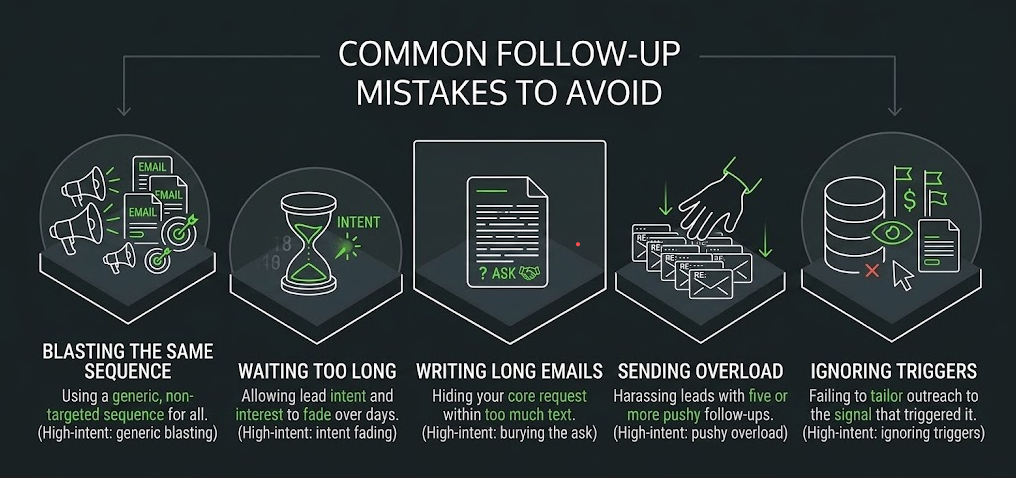
Even warm leads go cold with the wrong approach. Avoid these common follow-up mistakes:
Each mistake breaks the trust you just earned. A high-intent lead expects relevance and speed. Give them a generic blast, and you lose them. Therefore, match every message to the signal behind it.
Personalization does not have to be slow. You can scale it with a simple system. Start by grouping leads by the signal they sent.
Build one strong template per signal. Then tailor just a few details for each lead. The company, role, and page they viewed are enough.
Match effort to deal size. Top accounts earn a custom, researched note, whereas smaller leads get a light, quick touch. Automate the routing, but keep the writing human.
Save your best-performing emails as a shared library. Your whole team then sends proven, on-brand messages. Speed and relevance are not opposites. A good system delivers both at once.
Great templates still need great habits. A few rules lift reply rates across the board:
Timing beats persistence every time. A note during active research wins attention. The same note a week later gets ignored.
Personalization does not mean long. One relevant detail often does the job. Mention the page, the problem, or the timing.
Avoid the hard sell in a first follow-up. Offer help, insight, or an easy next step. Trust opens more replies than pressure. Combine intent data with these habits, and your pipeline grows.
Your subject line decides if the email gets read. Keep it short, specific, and human. Try these proven formulas:
Match the formula to the signal you saw. Avoid hype words and fake urgency. Aim for under six words when you can.
Test two subject lines per template. Keep the winner and retire the rest. Small gains here compound fast.
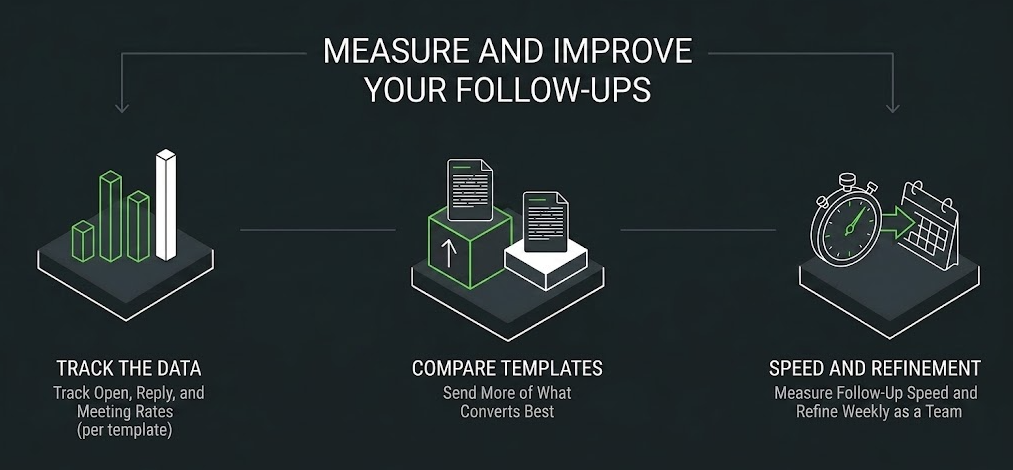
Treat your follow-ups as an ongoing experiment. Small changes can lift reply rates fast. So track what works, then repeat it.
Watch a few simple numbers per template:
Compare your templates against each other. Some signals convert far better than others. Send more of what your data rewards.
Speed is worth measuring too. Track how fast reps act on each signal. Faster follow-ups almost always win more replies.
Do not over-optimize on tiny samples. B2B volumes are low, so give tests time. Trust a trend, not a single reply.
Review these numbers as a team each month. Share the winning emails and subject lines. Your whole library gets stronger over time.
The best follow-up isn’t the cleverest. It is the most relevant, sent at the right moment. Buyer behavior tells you what to say and when.
Templates alone do not win deals. The signal behind them does. Pair real intent with a short, human message. That is how warm leads become real conversations.
The teams that win act on signals fast. They treat every visit as a possible deal. That mindset, plus these templates, builds a real pipeline.
Your next deals are already browsing your site. See exactly who they are and what they view. Then send the perfect follow-up while intent is hot.
Ready to try it? Start with RB2B for free and turn your anonymous visitors into booked meetings.
As fast as you can, ideally the same day. Intent fades within hours, not weeks. A quick, relevant note catches the buyer while curious. Speed often matters more than perfect wording.
Two to three well-timed touches work best. More than that starts to feel like spam. Space them across one to two weeks. Then pause and move on if you don’t get a reply.
Keep it short, specific, and human. Reference their context, not a generic offer. Curiosity and relevance beat hype every time. Aim for under six words when you can.
Yes, because they arrive with context and timing. You reach buyers who are already interested. That relevance lifts reply rates over generic blasts. The signal does much of the work.
Alert your reps, start automated outreach, and add to lead score in under five minutes.

