Best Lead Forensics Alternatives: Key Features, Pricing, and the Top 10 Tools for Better-Qualified Leads in 2026
Quick Summary
This guide covers the top Lead Forensics alternatives that provide better value, more accurate data, and superior features for B2B website visitor identification. From person-level identification to affordable pricing models, these platforms help sales teams identify and engage website visitors without the high costs and limitations of Lead Forensics.
Why B2B Teams Are Switching from Lead Forensics
If you're in B2B sales or demand gen, you've likely felt the frustration of anonymous website traffic. Tools like Lead Forensics promise insight, but too often, you're left with vague company names and no clear next steps.
You know someone from “Acme Corp” visited your pricing page, but who? No LinkedIn profile. No email. No real opportunity for follow-up. For teams trying to hit pipeline goals, that kind of partial data just doesn’t cut it.
In this RB2B article, we’re going to break down the top Lead Forensics alternatives that actually help you identify people, not just companies.
But first…
Why Listen to Us?
We built RB2B after experiencing the limitations of existing visitor identification tools firsthand.
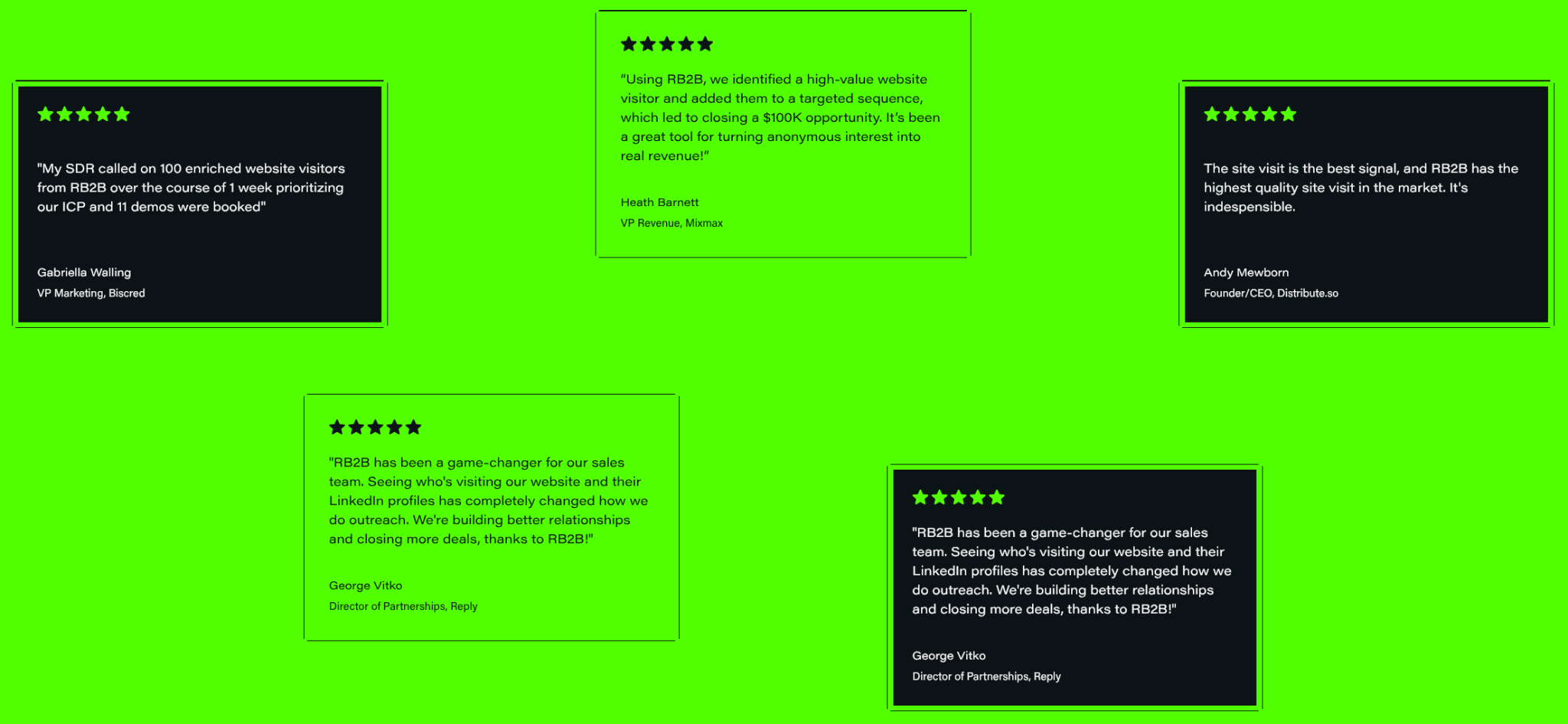
Our platform delivers person-level visitor data to hundreds of B2B sales teams who have switched from Lead Forensics and similar platforms. This review reflects everything we've learned about what actually moves the needle for sales performance.
What Is Lead Forensics?
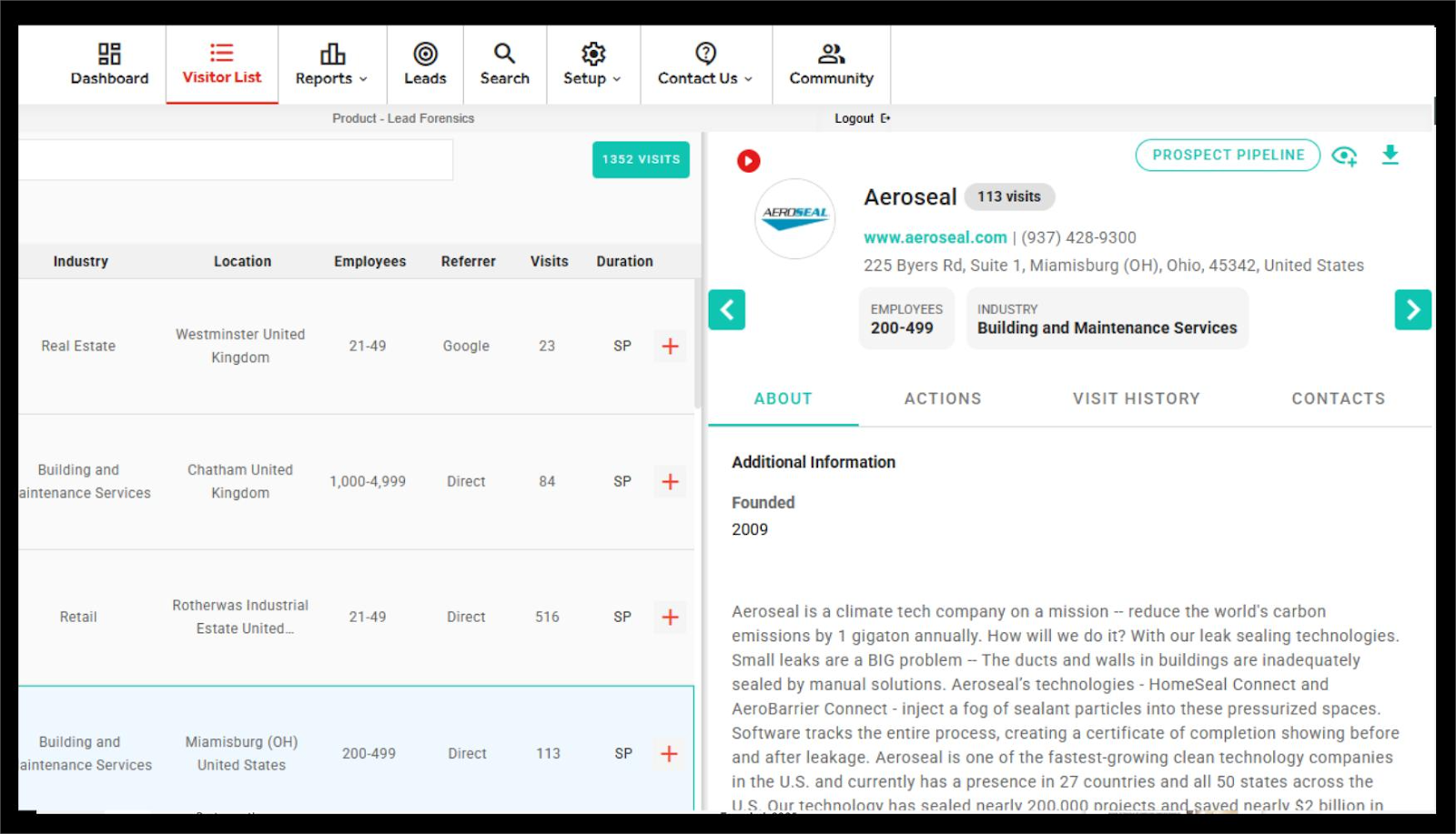
Lead Forensics is a B2B website visitor identification platform that helps businesses uncover which companies are visiting their website. It uses reverse IP tracking to match anonymous web traffic to known business networks, providing company names, visit details, and engagement insights like pages viewed and time on site.
While it does not identify the specific individuals browsing your site, it does offer enriched contact data, such as names, titles, and emails of key people at the identified companies, sourced from its internal business database.
Lead Forensics is designed for teams across the entire GTM motion. It offers many integrations and a broad feature set. This level of functionality, however, comes at a high price point.
While Lead Forensics' pricing isn’t publicly available, this Vendr review estimates that it costs an average of $17,000/year. Some contracts may even cost up to $75,000/year.
You’re also locked into multi-year commitments. This makes it difficult to adjust based on changing business needs or test alternative approaches to visitor identification. For smaller teams, this level of spend is a tough sell.
2. Limited Individual Data
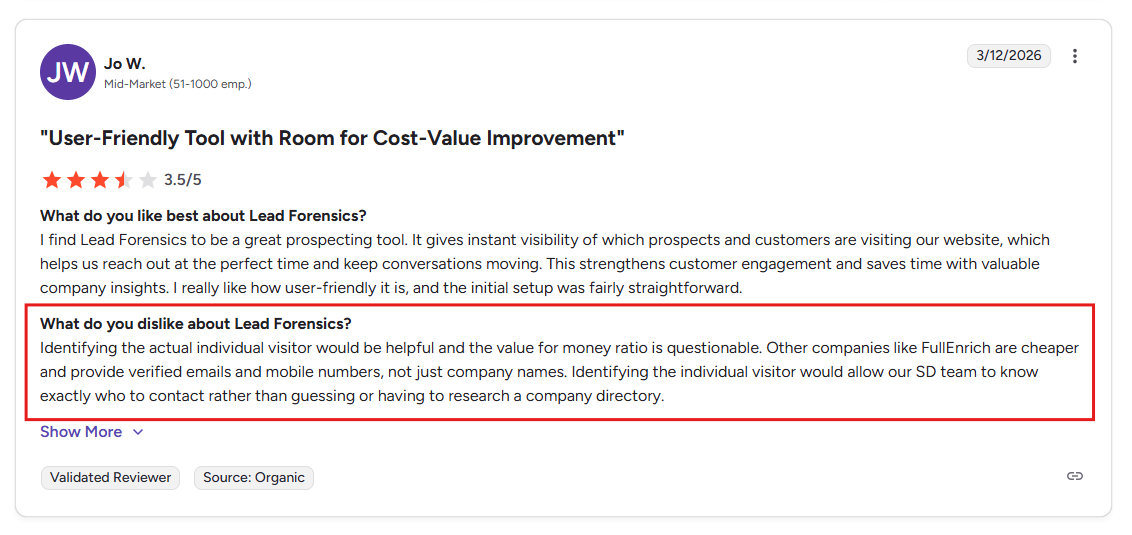
Lead Forensics reveals the IP address of each website visitor and matches it to a company in its database. While this is helpful, it does not identify the specific individual behind the visit. You get an IP match and a list of contacts, but no proof any of them were the ones browsing.
This lack of context makes personalized outreach difficult. Lead Forensic competitors like RB2B go further by identifying the individual, complete with LinkedIn, job title, and email.
3. Time-Consuming Outreach Process
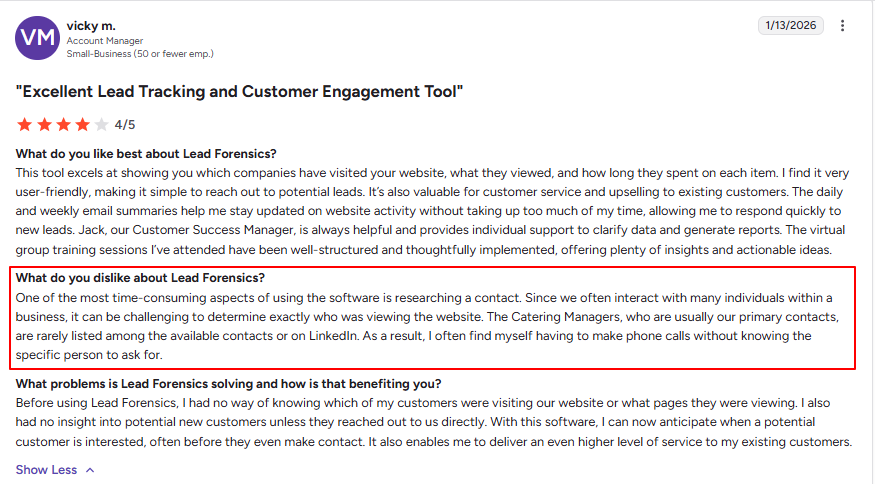
Even if an ICP from a target company visits your site, Lead Forensics doesn’t show you who they are. You actually have to reach out to multiple stakeholders within that company just to connect with the right person.
This makes outreach slower and less efficient. It also defeats the purpose of using a website visitor identification tool for focused outreach.
4. Complex Integration Requirements
Lead Forensics integrates with sales tools and CRMs like HubSpot and Salesforce. However, several users note the setup is not always smooth. This creates workflow friction and slows down adoption.
5. Data Accuracy Issues
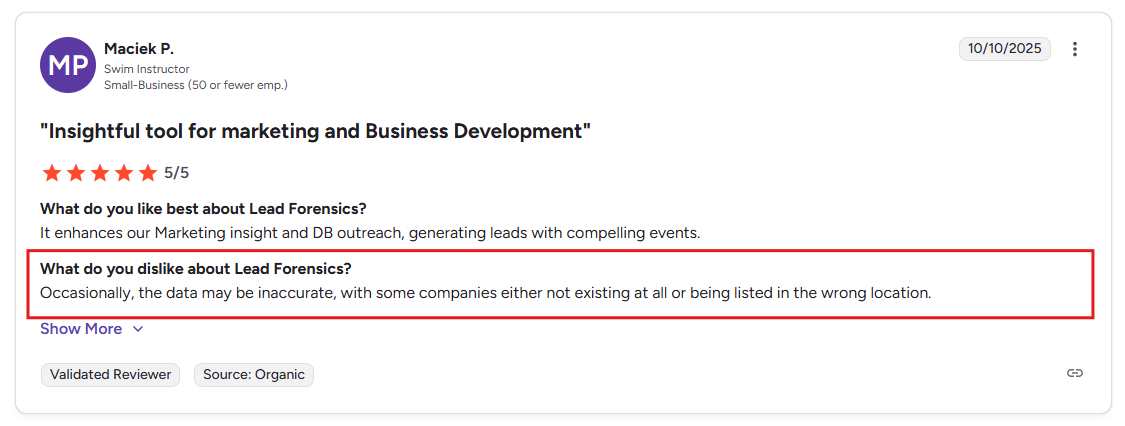
Several users report data accuracy issues, particularly with smaller or lesser-known companies. Results, in these cases, can come back vague or incomplete. This further slows down outreach marketing.
Our Top 10 Best Lead Forensics Alternatives
Before diving into each tool, here's how the top alternatives compare:
#
Tool
Pricing
Best For
Limitation
1
RB2B
Free plan, paid starts at $149/mo
Individual visitor identification with real-time alerts
U.S.-focused person-level identification
2
Leadfeeder
Free plan, paid starts at €141/mo
Easy Google Analytics integration
No individual-level identification
3
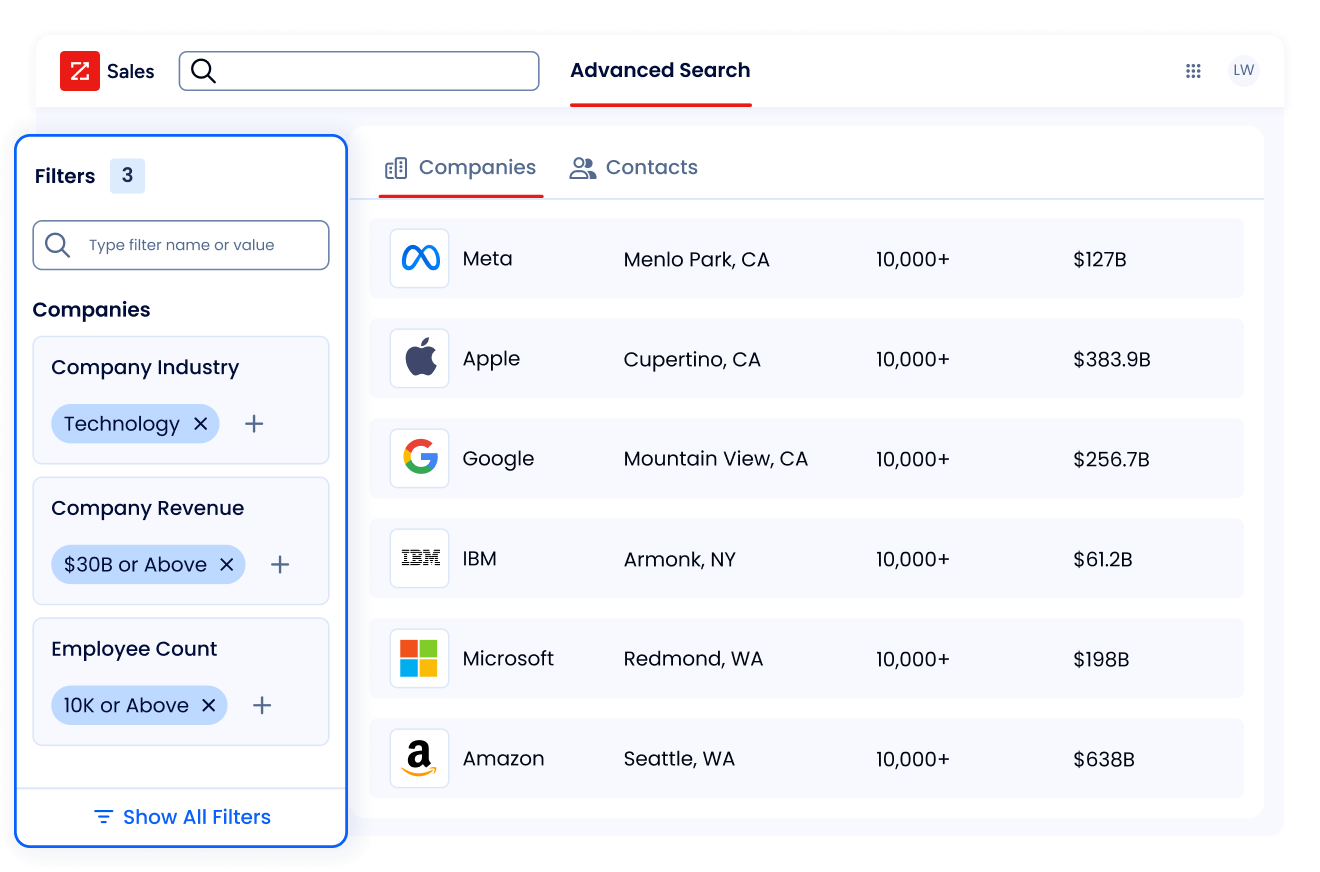
ZoomInfo
Custom pricing
All-in-one sales intelligence platform
Expensive at scale
4
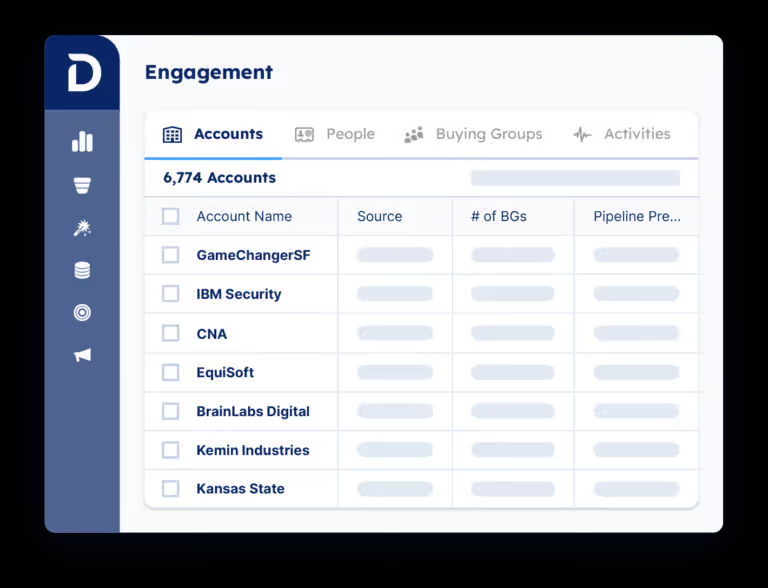
Demandbase
Custom pricing
Large-scale account-based marketing
Complex to setup often requiring enterprise resources
5
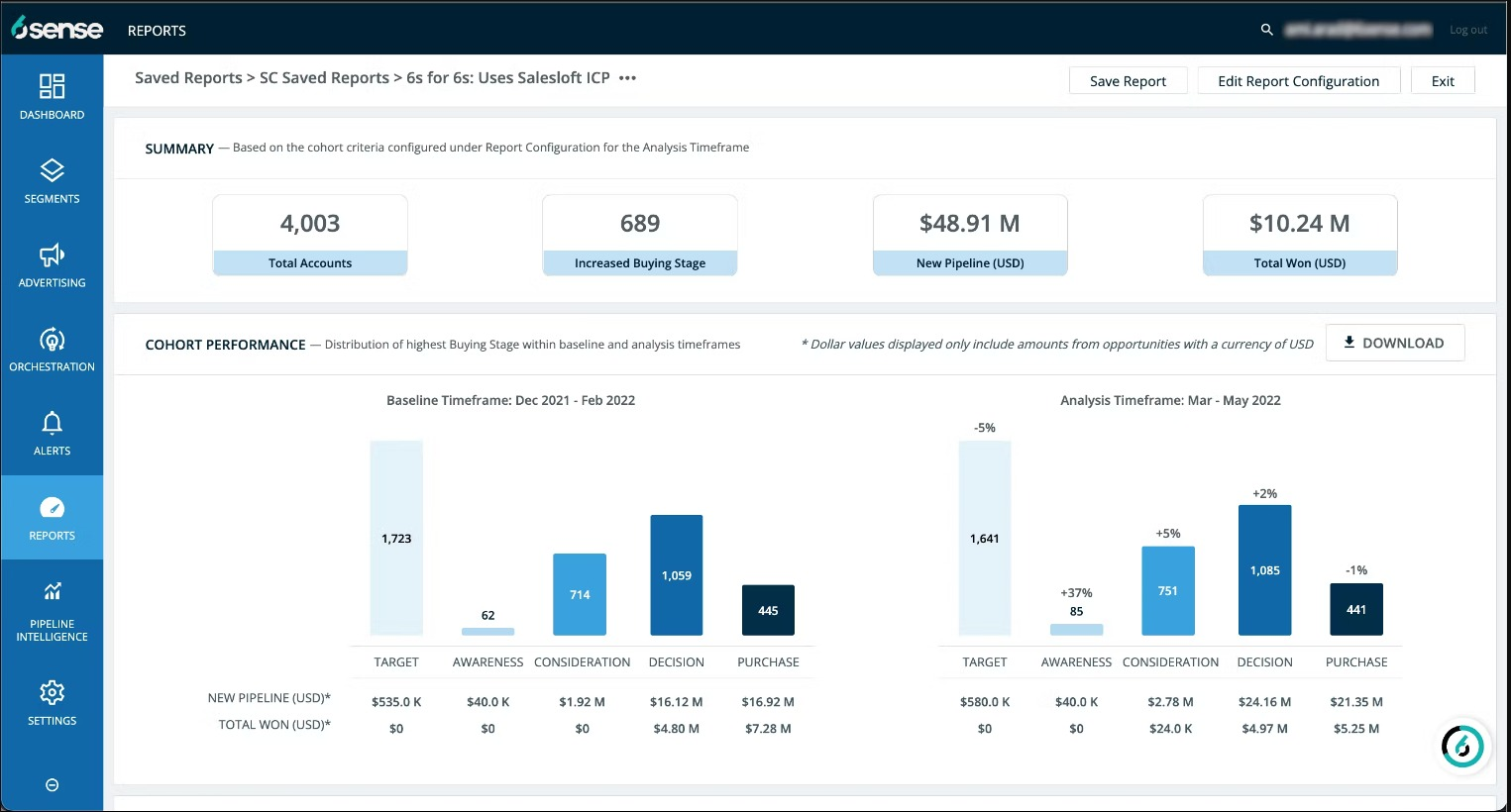
6sense
Free plan, paid pricing on request
Predictive analytics and intent data at scale
Inaccurate contact data
6
Warmly
Starts at $599/mo
Real-time engagement with identified visitors
High cost for smaller teams
7
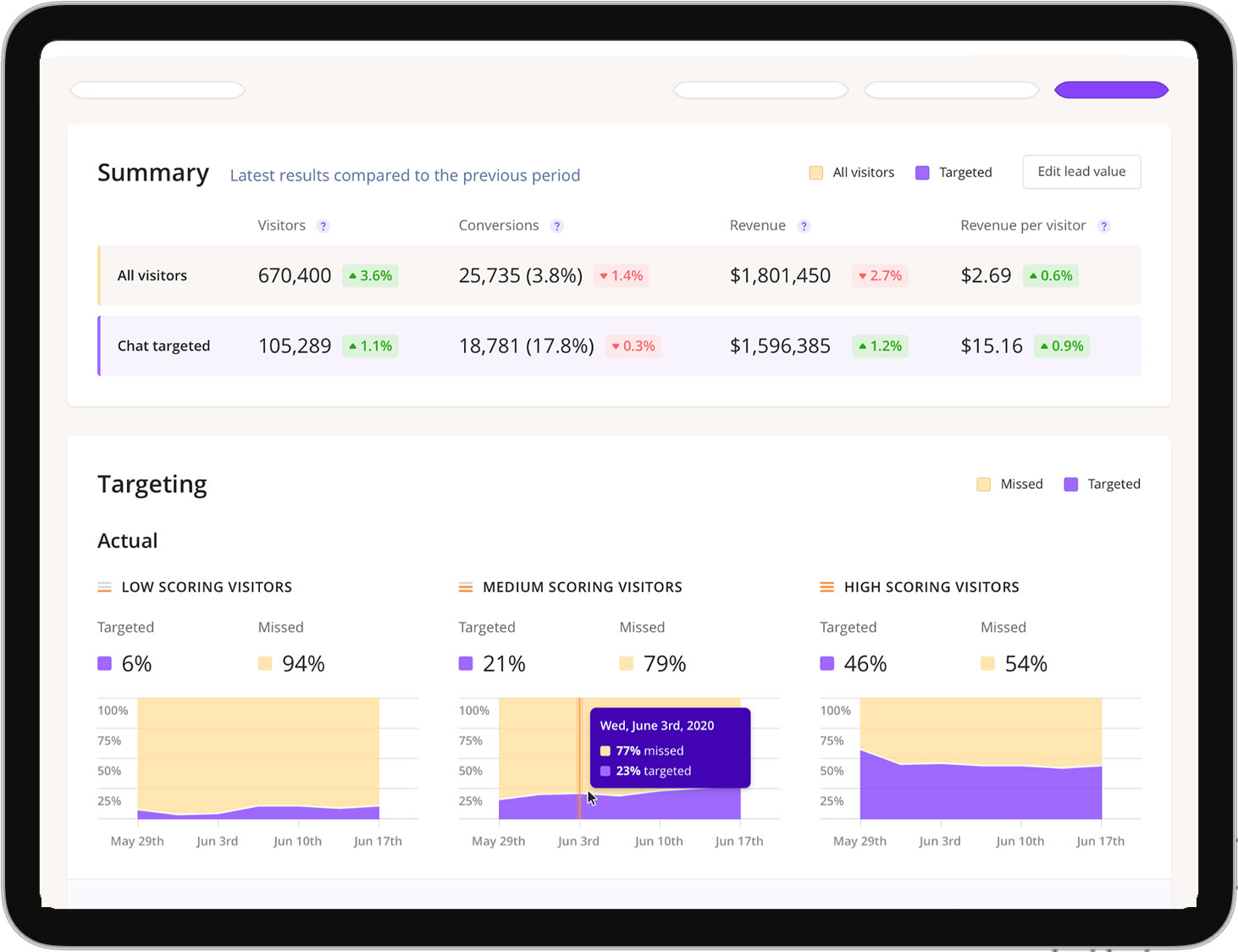
Lift AI
Starts at $1,500/mo
Visitor intent scoring
Limited visitor identity resolution
8
Visitor Queue
Starts at $39/mo
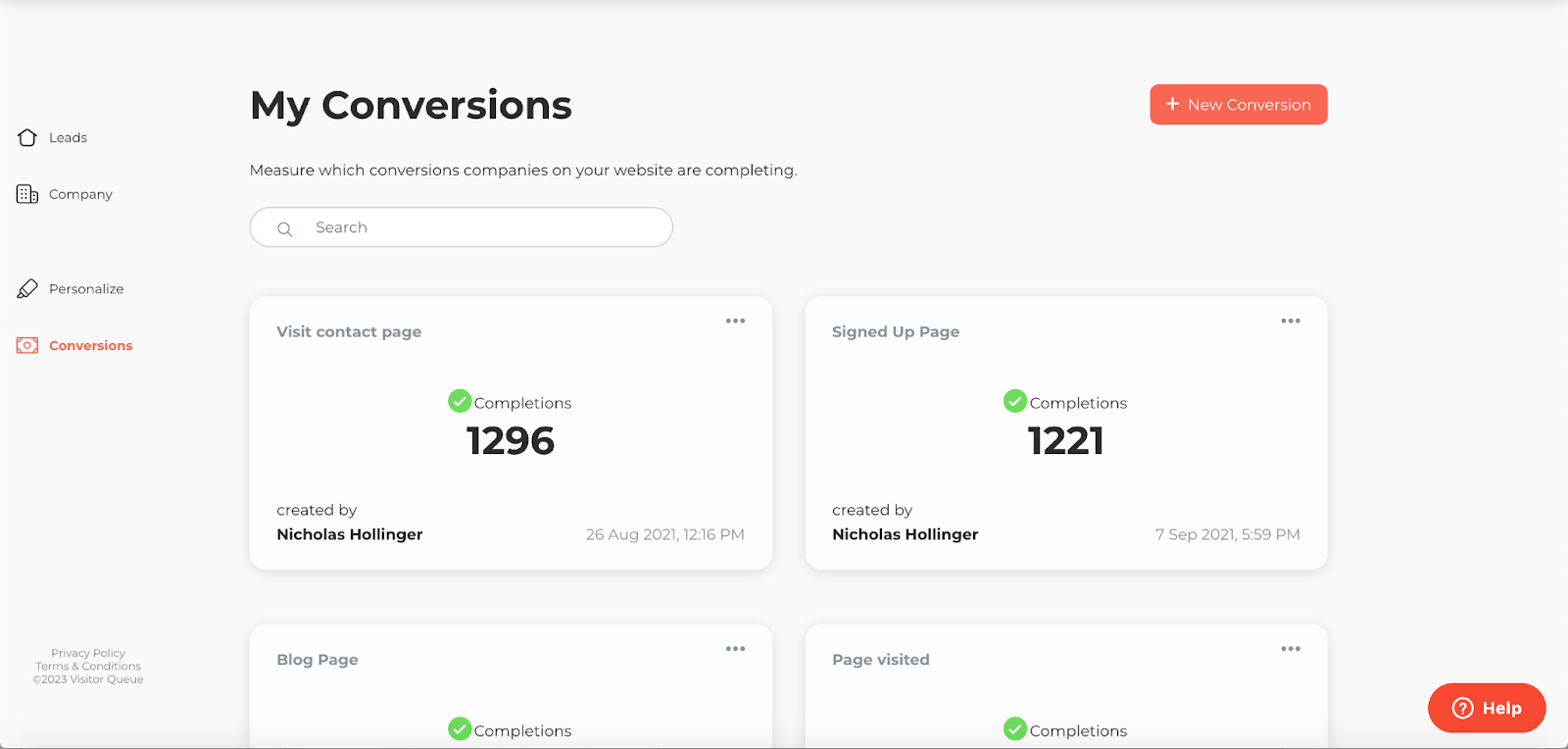
Cost-effective company identification
Company-level data only
9
Koala
Starts at $170/month
Real-time visitor identification with outbound automation and sales engagement workflows
Limited enterprise market maturity
10
Qualified
Custom pricing
Company-level identification with conversational sales engagement (chat + pipeline conversion)
Requires active sales coverage to fully leverage value
1. RB2B
RB2B leads our alternatives list because we solve Lead Forensics' core limitation: person-level visitor identification. While Lead Forensics shows you companies, we reveal the actual individuals browsing your site.
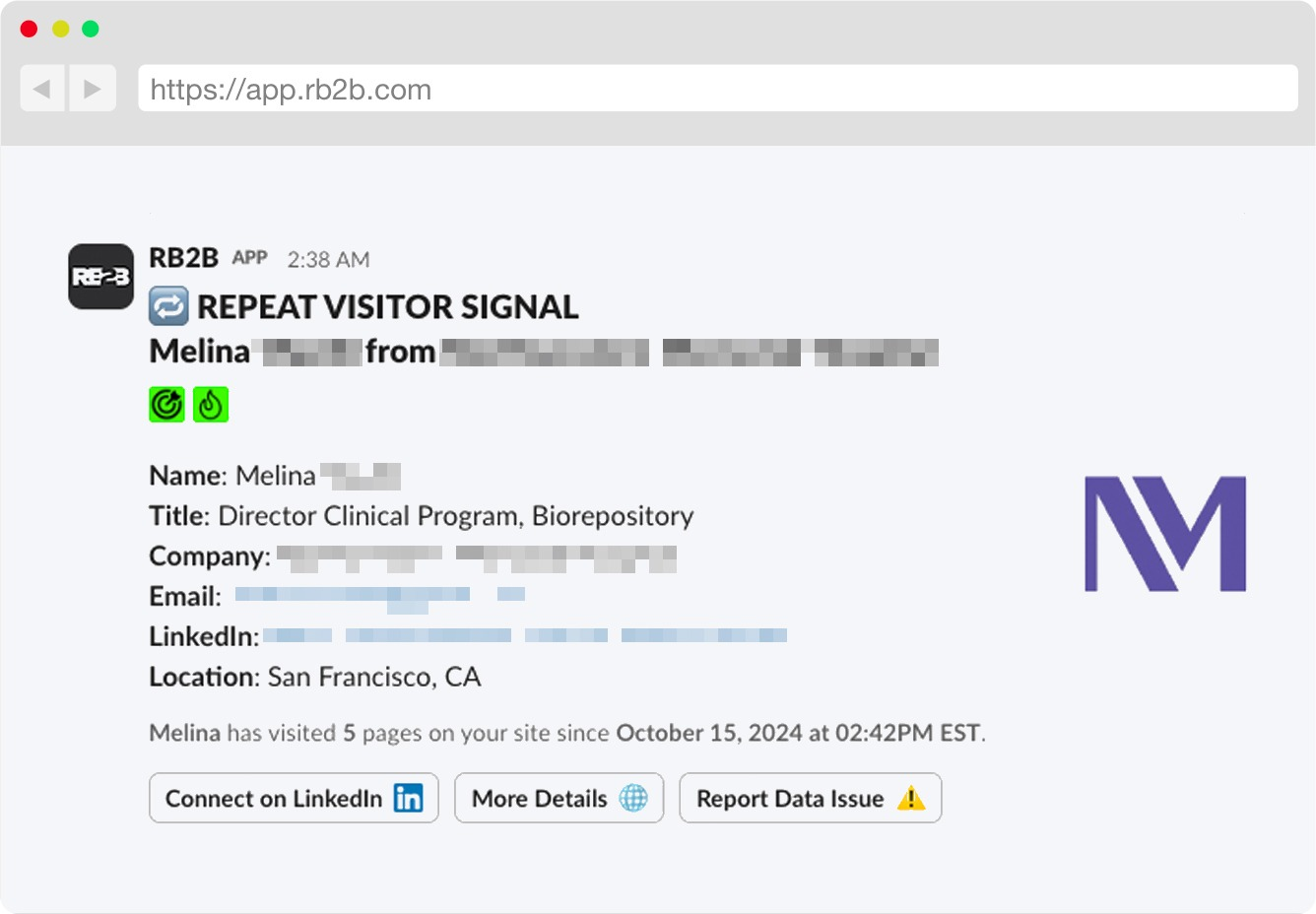
Our platform delivers names, job titles, LinkedIn profiles, and verified emails of website visitors directly to your sales team via Slack or Teams. This eliminates the guesswork of "someone from ABC Company visited" and provides actionable intelligence for immediate outreach.
We focus exclusively on delivering data that drives conversations and closes deals, not vanity metrics that look impressive in reports.
Key Features
Person-Level ID: Identifies visitors by name, role, LinkedIn, and verified emails.
Hot Lead Tagging: Flags high-fit leads using ICP filters and real-time behavior scoring.
Slack Alerts: Sends buyer signals to reps in under 30 seconds, no login needed.
Hot Pages Tracking: Monitors visits to high-intent pages (like pricing, case studies, and demo pages) so your team can prioritize outreach based on buyer interest
CRM Sync: Connects seamlessly with HubSpot, Salesforce, and 20+ other CRMs to trigger rep alerts, automate outreach workflows, and update lead scores in real time.
US-Focused Accuracy: Prioritizes privacy-compliant U.S. traffic (GDPR/CCPA aligned).
Traffic Insights: Highlights top visitors, campaign impact, and role-based behavior trends.
Global Company-Level ID: Identify 70–80% of your traffic by combining RB2B’s person-level identity with Demandbase’s global company-level resolution, now included with all paid plans.
Fast Setup: 5-minute pixel install, no dev required.
Pricing
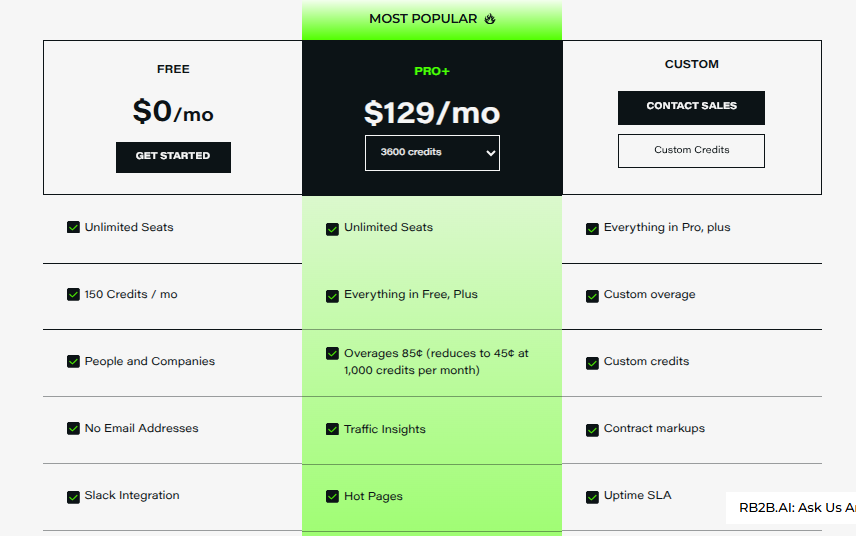
RB2B offers a free plan with 150 monthly credits and LinkedIn Profiles push to Slack.
Pro+ Plan ($149/mo): 300 credits/month, everything in Free plus advanced features: hot leads, repeat visitors, filtering, CSV downloads, pageview history, 20+ integrations.
Custom Plan (Contact Sales): For agencies or large teams needing 2,000+ credits/month.
All plans come with a 7-day trial period. Check our pricing page to properly compare plans.
Pros
Person-level ID with verified LinkedIn and email data
Instant alerts to reps in Slack with full profiles
Includes lead scoring using “Hot Leads” and “Hot Pages”
Simple setup, live in minutes with no dev help
Freemium access makes testing easy and risk-free
U.S.-only person-level ID ensures compliance with GDPR
Cons
Person-level data is U.S.-only. Although global visitors can only be resolved at the company level via our integration with Demandbase
2. Leadfeeder
Leadfeeder offers the simplest alternative to Lead Forensics with direct Google Analytics integration. The platform identifies companies visiting your website and shows their behavior patterns without complex setup requirements.
This makes Leadfeeder ideal for teams already using Google Analytics who want visitor identification without changing their existing workflow or making significant software investments.
Key Features
Google Analytics Integration: Leadfeeder connects directly to Google Analytics, allowing teams to use their existing setup without extra tracking scripts or complex configurations.
Company Identification: It identifies companies visiting your website, even if no forms are filled, by matching IP addresses to known business networks.
Behavior Tracking: Leadfeeder tracks the pages those companies view and monitors engagement patterns to help prioritize outreach.
Lead Scoring: Visitors are scored and ranked based on behavior, enabling sales teams to focus on high-intent prospects.
CRM Integration: It syncs seamlessly with popular CRMs like HubSpot, Salesforce, and Pipedrive, making it easy to route insights into your workflows.
Pricing
Free Plan: Includes unlimited users, data from the last 7 days, and up to 100 identified companies.
Paid Plan: Starts at €141/month, designed for sales and marketing teams with unlimited user access and visit data storage, priced based on the number of companies identified.
Pros
Simple Google Analytics integration
Affordable pricing for small teams
Clean, intuitive interface
No long-term contracts required
Cons
Company-level only, no individual identification
Limited advanced features compared to enterprise platforms
Fewer data points than comprehensive alternatives
3. ZoomInfo
ZoomInfo provides visitor identification as part of their comprehensive B2B sales intelligence platform. While you have to pay more than for dedicated visitor ID tools, it offers extensive contact databases and intent data that complement visitor identification.
The platform excels when teams need both visitor identification and broader prospecting capabilities within a single system.
Key Features
Visitor Identification: ZoomInfo’s WebSight Buyer ID delivers real-time, person-level visitor identification by linking anonymous site visitors to known decision-makers using its extensive identity graph and contact database.
Massive B2B Database: With over 174 million emails and 70 million phone numbers, ZoomInfo offers one of the largest and most accurate B2B contact databases available.
Intent Data: ZoomInfo tracks buying signals across the web, helping sales and marketing teams prioritize leads actively showing interest.
Conversation Intelligence: The platform includes call analysis and coaching tools to improve sales conversations and rep performance.
Sales Automation: ZoomInfo supports multi-channel outreach, CRM integration, and campaign orchestration for streamlined lead engagement.
Pricing
Zoominfo’s pricing is not publicly available online. You will need to book a demo to get a customized pricing plan
Pros
Comprehensive sales intelligence beyond visitor ID
Extensive contact database for broader prospecting
Strong intent data capabilities
Established platform with robust integrations
Cons
Expensive compared to dedicated visitor ID tools
Complex platform requiring extensive training
Visitor identification secondary to core database business
4. Demandbase
Demandbase positions itself as an Account-Based Marketing platform with visitor identification capabilities. It provides comprehensive account intelligence and ABM tools for enterprise sales teams.
The platform works best for large organizations running sophisticated account-based campaigns that need visitor identification integrated with broader marketing automation.
Key Features
Account Intelligence: Detailed company profiles, including industry, size, location, revenue, and customer status.
ABM Advertising: Run targeted ad campaigns to specific, identified accounts.
Intent Data: Buying signals collected from multiple channels and enhanced with AI-powered predictive models.
Account Scoring: Prioritize high-potential accounts using advanced scoring algorithms.
Marketing Automation: Manage full-funnel campaigns within an ABM (Account-Based Marketing) strategy.
Pricing
Demandbase’s pricing is not publicly available online. You will need to book a demo to get a customized pricing plan
Overkill for teams only needing visitor identification
5. 6sense
6sense markets itself as a Revenue AI platform that includes visitor identification among its predictive analytics capabilities. The platform focuses on identifying accounts in active buying cycles and predicting purchase intent.
While expensive, 6sense provides sophisticated AI-powered insights that go beyond basic visitor identification.
Key Features
Predictive Analytics: Its AI models analyze behavior to pinpoint where prospects are in the buying journey, helping teams prioritize the right accounts.
Intent Data: 6sense tracks research activity both on your site and across the web, surfacing companies that show strong interest in your solutions.
Account Orchestration: The platform supports coordinated sales and marketing efforts, enabling personalized, multi-touch campaigns for high-intent accounts.
Dynamic Audiences: AI-powered segments combine buying signals, firmographics, and behavior to streamline targeting.
Revenue Intelligence: It offers deep pipeline analytics and forecasting tools, helping teams measure engagement and predict revenue impact.
Pricing
Free Plan: Includes 50 data credits/month, company and people search, sales alerts, list builder, and Chrome extension access.
Paid Plans: Offer full sales intelligence with AI features like Sales Copilot, predictive scoring, persona mapping, web visitor ID, and deep CRM/workflow integrations. A demo is required to reveal exact pricing figures.
Pros
Advanced AI and predictive capabilities
Comprehensive intent data beyond website visits
Sophisticated account journey mapping
Strong enterprise features
Cons
Very expensive with complex pricing
Requires extensive training and dedicated admin
Many users report data accuracy issues
Complex platform that may overwhelm smaller teams
6. Warmly
Warmly combines visitor identification with real-time engagement capabilities. The platform identifies website visitors and enables immediate outreach through chat, email, or video messages while prospects are still browsing.
This "revenue orchestration" approach helps sales teams engage prospects at peak interest moments.
Key Features
Real-Time Identification: Warmly identifies visitors as they browse and instantly notifies your team via Slack, Teams, and other tools.
Live Engagement Tools: Engage prospects in real time through chat, email, or video messages while they’re still on your site.
Behavioral Triggers: Uses intent signals and visitor actions to trigger automated, personalized outreach, like emails or LinkedIn messages.
Team Orchestration: Enables coordinated responses across your sales team for timely, collaborative engagement with warm leads.
Integration Hub: Connects with tools like Slack, HubSpot, Apollo, LinkedIn, and CRMs to streamline workflows and automate lead handling.
Pricing
Data Only: Starts at $599/month (500 leads) — For teams focused on de-anonymizing warm leads.
Business: $19,000/year (10,000 leads)— Includes automation features for growing companies.
Enterprise: Custom pricing — For advanced teams with complex AI + human workflows.
Pros
Immediate engagement while prospects are browsing
Innovative revenue orchestration approach
Real-time interaction via chat, email, and video
Good for high-touch sales processes
Cons
Requires dedicated team members for real-time engagement
More complex than simple visitor identification
Limited access to historical data and custom reporting
7. Lift AI
Lift AI impressed with real-time behavioral analysis of website visitors. Machine learning models predicted conversion likelihood, helping sales teams prioritize anonymous visitors effectively.
The visitor segmentation improved campaign targeting, though the steep pricing could challenge smaller teams.
Key Features
Real-time behavioral analysis: Lift AI uses machine learning to analyze visitor behavior in real time, assigning intent scores that help sales teams prioritize high-converting anonymous visitors.
Visitor segmentation: Visitors are grouped by behavioral scores and intent levels, improving targeting and campaign effectiveness.
CRM integrations: Seamlessly connects with CRMs like Salesforce, HubSpot, and Pipedrive to streamline workflows and boost sales efficiency.
Predictive lead scoring: AI-powered scoring highlights the visitors most likely to convert, so teams can focus on high-quality leads.
Real-time alerts and automation: Get instant engagement alerts and trigger automated marketing actions based on visitor behavior.
Lift AI Pricing
Essentials Plan: $1,500/month for 20,000 visitors on a single website with one integration.
Premium Plan: $2,500/month for 20,000 visitors, multi-site support, and up to three integrations.
Unlimited Plan: $3,500/month for 20,000 visitors, multi-site support, and access to all integrations.
Account Reveal Add-On: $450/month per website to identify matched accounts alongside Lift AI’s intent scores.
Pros
Predicts buyer intent with 85% accuracy
Enables real-time engagement with high-intent visitors
Assesses intent for over 70% of anonymous traffic
Integrates well with CRMs and sales tools
Cons
Too complex for small sales teams
Focuses only on on-site behavior
Requires other tools for full-funnel coverage
8. Visitor Queue
Visitor Queue rounds out our list as an affordable enterprise alternative focused on company-level visitor identification. The Canadian platform provides reliable visitor identification with reasonable pricing and good customer support.
The platform works well for mid-market teams needing reliable visitor identification without enterprise complexity or costs.
Key Features
Company-Level Visitor Identification: Visitor Queue identifies companies visiting your site by matching IP addresses to business databases, providing company names and contact details.
Contact Database: It enriches company profiles with employee data, names, roles, and contact info, often using LinkedIn for added insight.
Behavioral Tracking: Tracks on-site behavior like pages viewed, time spent, referral sources, and visitor paths to gauge intent.
CRM Integration: Connects with major sales and marketing platforms to streamline lead management and follow-up.
Email Alerts: Set up real-time or scheduled alerts to stay updated on new visitor leads for timely outreach.
Pricing
Pricing starts at $39/month for 100 unique companies, with unlimited users and websites
Pros
Affordable pricing for reliable identification
Good customer support and service
No long-term contracts required
Simple setup and implementation
Cons
Company-level only, no individual identification
Limited advanced features compared to premium, established alternatives
9. Koala
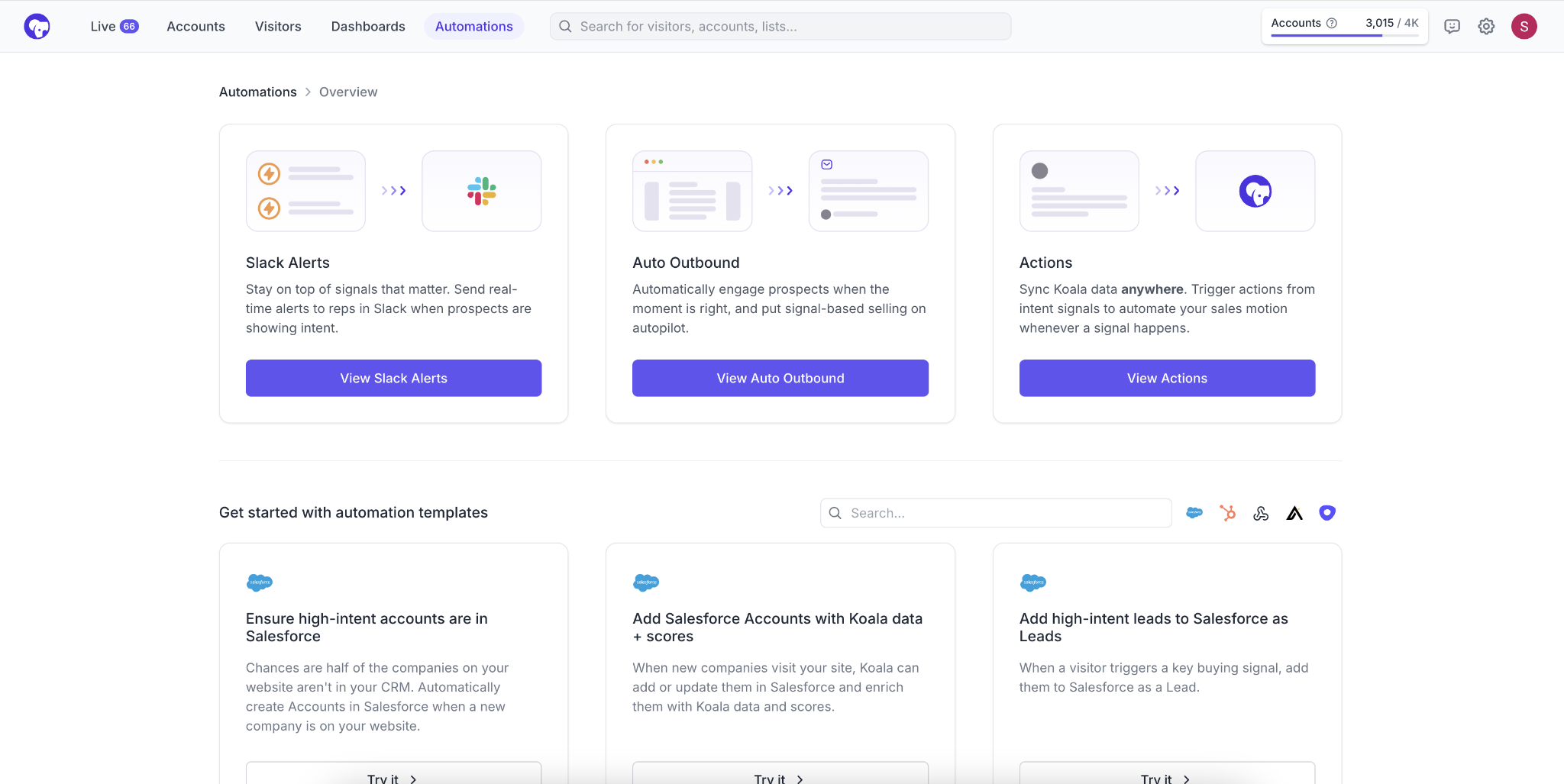
Koala helps B2B teams identify high-intent website visitors and company-level activity in real time. It connects that data directly to outbound workflows by syncing it into the CRM and triggering automated actions. This allows reps to engage prospects while intent is still high.
Koala is useful for outbound-heavy teams looking for fast, personalized engagement. Its effectiveness, however, depends on strong integration with existing CRM and sales processes. CRM integrations are also limited to higher-tier plans, which restricts access for smaller teams.
Key Features
Real-time Visitor Identification: Instantly detects website visitors and surfaces their behavior so teams can respond while interest is still high.
Intent Signal Tracking: Highlights high-intent actions like pricing page visits and repeat sessions.
Automated Outbound Workflows: Triggers email or sales sequences based on visitor activity, reducing manual workload.
Contact Enrichment: Surfaces relevant stakeholders within identified accounts, making it easier to direct outreach to decision-makers.
Behavioral Insights: Tracks and gives teams page views, visit frequency, and engagement depth.
Pricing
Free Plan: Includes 100 free credits with basic workflow automation and intent scoring.
Starter: From $170/month with 1000 credits with more robust automated workflow features.
Growth: Costs $750/month and includes 5000 credits and 3 collaborator seats along with 1 CRM integration, custom signals, and more intelligent lead routing features
Business: Custom pricing. Offers access to Koala’s feature set and ideal for teams seeking advanced customization and support.
Pros
Strong combination of visitor identification and outbound automation
Clean interface and easy workflow setup
Reliable account scoring features
Access to real time intent data for more timely outreach
Cons
Primarily company-level identification, with limited person-level resolution
Can become expensive as traffic and automation usage scale
Less suited for teams that only need basic visitor tracking
10. Qualified
Qualified specialises in turning website traffic into live sales conversations. It identifies, ranks, and engages high-intent visitors in real time through chat, AI assistants, and sales routing.
This helps B2B teams execute effective demand generation and ABM programs focused on capturing in-market accounts before competitors do. That said, setup and optimization can be complex due to the level of configuration required across the system.
Key Features
Real-Time Visitor Identification: Detects known accounts and high-intent visitors as they land on a site so active buyers can be immediately prioritized.
Live Chat and AI Assistants: Lets B2B teams use conversational workflows to instantly engage with prospects.
Smart Lead Routing: Automatically connects visitors to the right sales rep based on rules like account, region, or tier.
Intent-Based Triggers: Activates outreach when users hit key pages like pricing or demo, capturing buying signals at the moment of interest.
Pipeline Visibility: Tracks conversations from first touch to opportunity creation for clearer visibility across the sales funnel.
Pricing
Pricing for Qualified is not publicly available. Interested users need to request a demo to get a quote.
Pros
Excellent for real-time conversion of inbound traffic into pipeline
Strong chat-based engagement layer for sales teams
Deep Salesforce integration and routing logic
Effective for ABM and high-intent inbound strategies
Cons
Enterprise pricing may be out of reach for smaller teams
Complex setup and configuration required
Limited customization options for AI assistants
Which Lead Forensics Alternative Is Right for You?
There are many solid Lead Forensics competitors. But the right choice ultimately depends on the specific use case. Here are some of the most common ones and the tools we’d recommend you get:
Real-Time Visitor Identification: If you want real-time, person-level visitor identification for faster outbound, RB2B is the best fit. Itsurfaces up to 80% of individual visitors and sends real-time alerts to your sales team, speeding up follow-up times.
Full-Scale Prospecting and Enrichment: If you need prospecting and enrichment in one system,tools like ZoomInfo or Cognism are strong options. Both offer large contact databases with firmographic and technographic enrichment enrichment for broader outbound. The trade-off is higher costs, which may not suit all teams.
Account-Based Marketing and Intent Targeting: Tools like 6sense or Demandbase are better suited for this case. They focus on account-level intent signals and buying-stage insights. This helps teams prioritize accounts that are actively in-market.
Simple and Affordable Visitor Tracking: Visitor Queue is often used in this case. It identifies which companies are visiting a website at a lower cost. But offers limited advanced features when compared to more full-featured platforms.
In short, the best alternative depends on your priority, whether that is identifying visitors, enriching data, tracking intent, or activating outreach in real time.
Lead Forensics vs Competitors: Which Platform Gives the Most Accurate Visitor Identification?
The visitor identification space has changed. Legacy tools like Lead Forensics struggle to keep up with today’s need for deeper insights, flexible integrations, and privacy-first data. If you’re looking for smarter, faster ways to turn traffic into pipelines, it’s time to explore what’s next with RB2B.
RB2B delivers real-time, person-level visitor intelligence built for modern sales teams. From seamless HubSpot syncs to instant Slack alerts, it’s designed to help you act on high-intent behavior the moment it happens without the bloat or expense of legacy software.
Lead Forensics struggles with remote teams because its tracking relies heavily on static IP addresses. When employees work from home or use dynamic networks, identification often becomes incomplete or inaccurate.
Tools with person-level identification, such as RB2B, address this gap by identifying individual visitors in real time. This makes remote traffic easier to capture and act on.
2. What's the Difference Between Company-Level and Person-Level Identification?
Company-level identification shows which organization visited your website, usually based on IP matching. Person-level identification goes further by revealing the actual individuals behind those visits.
With these tools, you can see prospect’s names, role, and contact details for more personalized outreach. Most tools focus on company-level data, while only a few provide person-level visibility.
3. Is There a Lead Forensics Alternative That Offers Person-Level Identification?
Yes, RB2B is a Lead Forensics alternative that identifies real individuals visiting your website. It shows both the people and companies behind website visits, delivering verified contact details in real time. This allows for faster and more targeted sales outreach.
4. Are There Any Lead Forensics Competitors Suitable for Budget Tight Teams?
Yes, many Lead Forensics competitors are significantly more affordable but they often come with limited functionality. RB2B is the best fit for budget-conscious teams due to its pricing and low setup barrier. There’s a free plan available, a 7-day free trial, and paid plans start at just $79/month.
This guide covers ten sales prospecting techniques for B2B sales and marketing teams, from referrals and account-based prospecting to website visitor identification. Learn when each method works, how to apply it, and which signals deserve a closer look. The goal is more qualified conversations and booked demos, with less time spent on poor-fit contacts.
Lead routing best practices go beyond assigning leads to reps. The goal is to route the right leads with the right priority. Score on ICP fit and real-time intent, then act fast. High-intent buyers reach a rep first, and conversion rates climb.
High-intent B2B leads need follow-ups tied to their behavior, not a fixed cadence. This library gives you seven sales follow-up email templates for real buying signals. Each one maps to an action like a pricing visit or repeat session. Match the message to the moment, and replies climb.